Web Design
Website copy that converts: a plain-English framework
Website copy that converts leads with the visitor’s problem, proves you can solve it and guides them to one clear action. It speaks in plain English, focuses on the reader rather than the firm, and answers the question they arrived with in the first few seconds. For Australian professional service firms, this is what turns a quiet site into one that books enquiries, and the good news is that it follows a simple framework you can apply to every page.
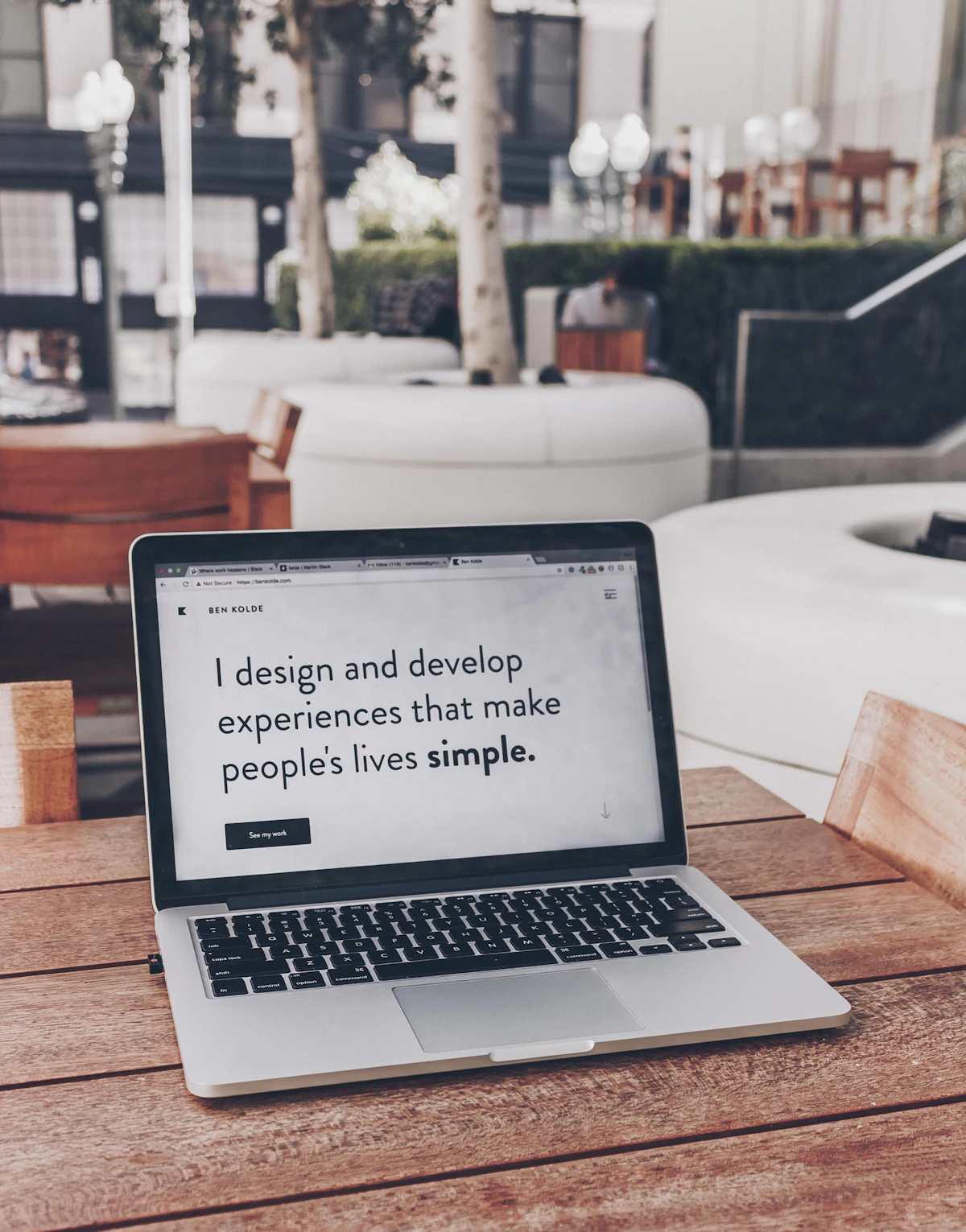
Start with the reader, not your firm
Most service websites open by talking about themselves: years in business, team size, a list of services. The visitor does not care yet. They care about their own problem. Strong copy opens by naming that problem and the outcome they want, so within seconds the reader thinks, this is for me. Your credentials matter, but they come after you have proven you understand the reader.
A simple test: read your home page headline and ask whether it is about you or about them. If it is about you, rewrite it.
A plain-English framework for website copy that converts
You do not need clever wording. You need clear order. Website copy that converts follows the same path on almost every page, leading the reader from recognition to action.
- Name the problem in the reader’s own words.
- Show you understand what it is costing them.
- Present your service as the path to the outcome.
- Prove it with results, numbers and named clients.
- Remove the risk with guarantees or a simple first step.
- Ask for one clear action, repeated where it makes sense.
Apply this to your home page, each service page and your about page, and the whole site starts pulling in the same direction.
Write the way you speak
Plain English is not dumbing down, it is respect for the reader’s time. Drop the jargon, shorten the sentences and cut the corporate filler. A senior buyer reads faster and trusts more when the writing is direct. If you would not say it out loud in a meeting, do not put it on the page.
Read your copy aloud before you publish. Anywhere you stumble or run out of breath is a sentence to cut down.
One clear action per page
Every page should ask the reader to do one thing: book a call, request a quote, download a guide. When you offer five competing options, most people choose none. Decide the single next step you want from each page, then make that action obvious and repeat it at natural decision points. Clarity, not pressure, is what lifts conversion.
Match the ask to the reader’s readiness. A first-time visitor may book a call, while a returning one is ready to request a proposal. Meet them where they are.
Frequently asked questions
How long should website copy be?
As long as it needs to make the case, and no longer. Home pages stay tight and scannable, while service pages can run longer to answer real questions. Lead with the key points so a scanner gets the message, and add depth below for the reader who wants it.
Should I write my own copy or hire a writer?
You know your clients best, so your input is valuable, but most firms struggle to write objectively about themselves. A professional brings structure, clarity and an outside eye, which is usually the difference between copy that reads nicely and copy that converts.
How do I know if my website copy is working?
Track enquiries, calls booked and form completions, not just visits. If traffic is steady but conversions are low, the copy or the call to action is usually the issue. Small, tested changes to headlines and asks often produce measurable lifts.
Want copy that earns enquiries? Sam writes and builds it through our web design and development service. To pressure-test what you have now, try the website rewrite test, and for a frank review of your current site, book a free video audit.
Related reading
-
Web Design
Why page speed and Core Web Vitals affect your leads
Core Web Vitals and page speed quietly cost you leads. Here is how slow pages lose enquiries and what good targets look…
 Samantha Thompson
4 min read
Samantha Thompson
4 min read
-
Web Design
Website SEO basics every small business should get right
Website SEO basics that actually move the needle for small Australian businesses. The handful of fundamentals worth getting right before anything fancy.
Samantha Thompson
4 min read
-
Web Design
How many pages does a professional services website need
How many pages website do you really need? For most professional service firms, 6 to 10 well-built pages do the job. Here…
Samantha Thompson
4 min read